
Why Heavy Equipment Maintenance in Fort Worth Keeps Your Fleet Running
Heavy equipment maintenance in Fort Worth is a critical priority for any operation running construction, industrial, or earthmoving machinery across North Texas. Whether you manage a single jobsite or a multi-site fleet, unplanned breakdowns cost time, money, and safety.
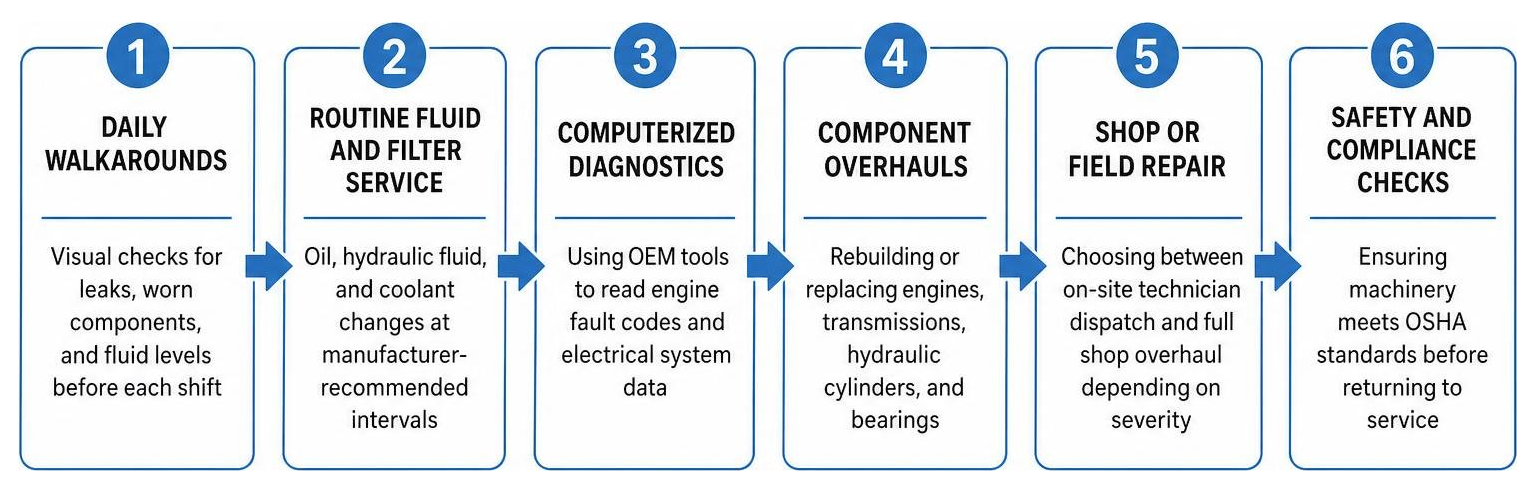
Here’s a quick overview of what effective heavy equipment maintenance in Fort Worth involves:
- Daily walkarounds — visual checks for leaks, worn components, and fluid levels before each shift
- Routine fluid and filter service — oil, hydraulic fluid, and coolant changes at manufacturer-recommended intervals
- Computerized diagnostics — using OEM tools to read engine fault codes and electrical system data
- Component overhauls — rebuilding or replacing engines, transmissions, hydraulic cylinders, and bearings
- Shop or field repair — choosing between on-site technician dispatch and full shop overhaul depending on severity
- Safety and compliance checks — ensuring machinery meets OSHA standards before returning to service
These steps apply whether you’re running Cat, Komatsu, John Deere, or any other major brand across the Fort Worth area.
We’re DFW Movers & Erectors, and in this guide we’ll walk you through exactly how to build a reliable maintenance strategy that reduces downtime and protects your equipment investment.
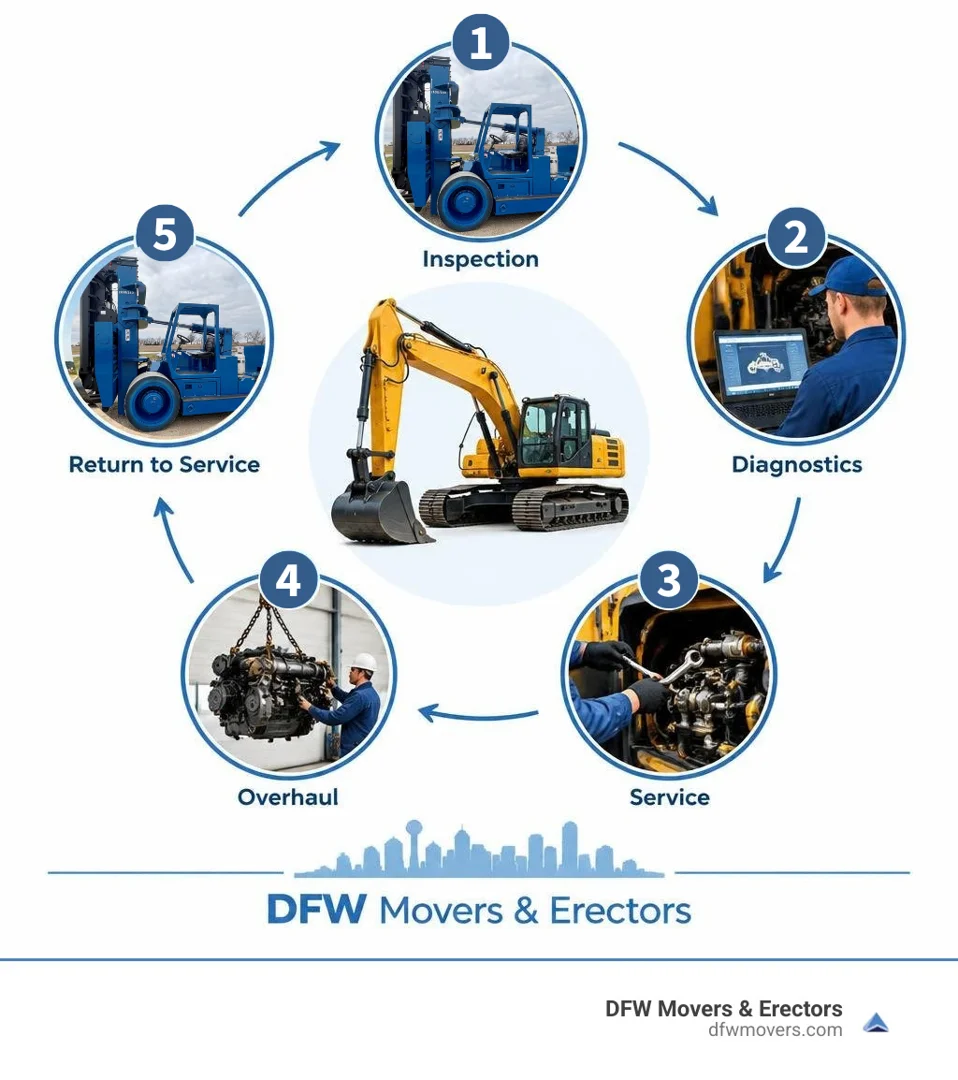
Essential Steps for Heavy Equipment Maintenance that Fort Worth Operators Need
Maintaining heavy machinery across North Texas demands a disciplined, systematic strategy. Fort Worth’s harsh weather conditions—ranging from scorching summer heat over 100°F to sudden winter freezes—put intense wear and tear on heavy machinery. Dust, clay, and constant heavy lifting accelerate component friction and degradation. Implementing proactive preventative care is the single most effective way to eliminate surprise failures and maximize machinery longevity.
A robust maintenance protocol relies on clear checklists, operator discipline, and routine tracking. When equipment operators perform thorough daily pre-shift walkaround inspections, they catch minor issues, such as hairline fluid hose cracks, low coolant levels, loose track tension, or worn pins, before they turn into catastrophically expensive engine seizures or hydraulic structural failures.
To keep your fleet in prime working order, explore our comprehensive Industrial Machine Maintenance Guide to structure your organization’s internal inspection routines.
Routine Fluid and Filter Inspections in Heavy Equipment Maintenance in Fort Worth
Fluids are the lifeblood of heavy industrial equipment. Neglecting oil, coolant, transmission, and hydraulic fluids is the leading cause of premature engine and hydraulic system failure. In high-demand jobsites across Fort Worth, continuous engine loading generates excessive friction heat, which breaks down chemical additives in fluid systems over time.
- Fluid Sampling and Oil Analysis: Regular oil sampling allows technicians to detect microscopic metal shavings, water contamination, fuel dilution, and soot levels. Spectrochemical analysis reveals internal wear on engine bearings, piston rings, and hydraulic pumps long before symptoms become visible.
- Filter Replacement Schedules: Oil filters, fuel separators, engine air intake filters, and hydraulic return filters must be changed strictly according to hour-meter milestones (typically every 250 to 500 operating hours). Blocked air filters starve engines of oxygen, increasing fuel consumption and exhaust temperatures, while clogged hydraulic filters lead to dangerous pump cavitation.
- Grease Points and Articulation Joints: Earthmoving and rigging equipment features dozens of high-friction pivot points, kingpins, swing bearings, and bucket links. Applying fresh grease daily flushes out abrasive grit and moisture, maintaining smooth movement and preventing premature pin-and-bushing wear.
Advanced Diagnostics for Heavy Equipment Maintenance Fort Worth Worksite Fleet
Modern heavy equipment relies as heavily on electronic control modules (ECMs) and sensor networks as it does on mechanical gears. When an engine fault light triggers or hydraulic response slows down, field technicians must combine mechanical expertise with high-tech computerized diagnostic tools.
By connecting factory-grade diagnostic software directly to the machine’s onboard network, technicians read real-time fault codes, evaluate sensor voltages, and perform active component tests. Diagnostics go beyond simply clearing fault codes; technicians analyze operational telemetry to pinpoint underlying electrical harness shorts, failing pressure transducers, or fuel injection timing errors.
Furthermore, technicians must possess the specialized training needed to read and interpret complex OEM schematics. Electrical schematics, hydraulic flow diagrams, and mechanical blueprints are essential when troubleshooting complex multi-system failures on heavy cranes, excavators, and industrial loaders.
Field Service vs. Shop Repair: Choosing the Right Maintenance Path
When a machine fails on a busy jobsite in North Texas, project managers must quickly decide whether to repair the equipment directly in the field or transport it to a dedicated machine service shop. Both options serve vital functions, and choosing the right path directly impacts project timelines, safety, and repair costs.
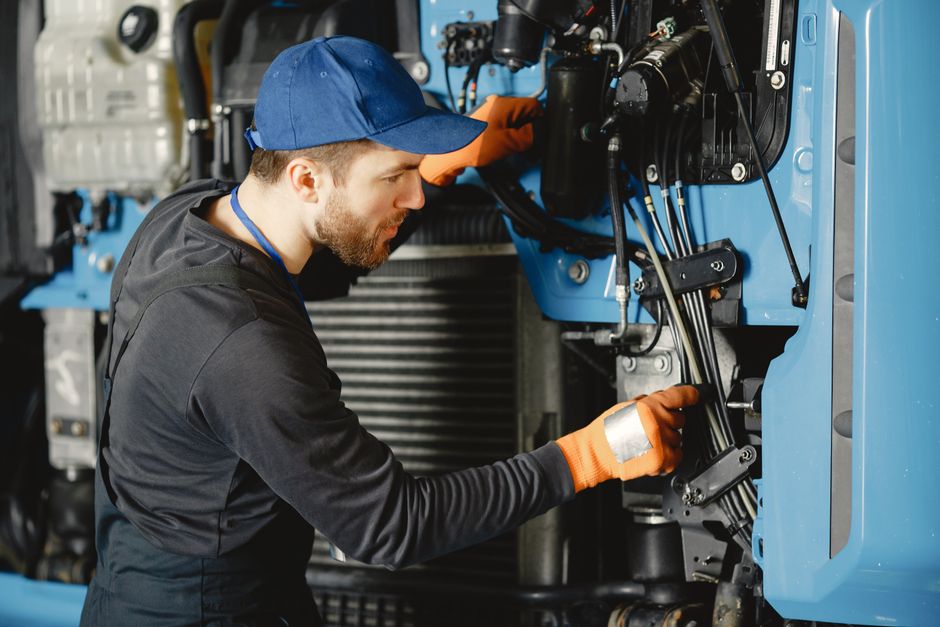
Field service is designed for maximum speed and convenience. Mobile technicians equipped with specialized service trucks can handle urgent breakdowns, routine fluid changes, sensor replacements, hose fabrications, and minor welding jobs right on site. This eliminates the expense and delay of hauling massive machines across the metroplex.
However, complex component rebuilds, major engine overhauls, structural modifications, and precision shaft alignments require the controlled environment of a fully equipped repair facility. Shop environments provide overhead cranes, heavy-duty hydraulic presses, cleanrooms for sensitive hydraulic assembly, and advanced tooling such as specialized Laser Alignment Services to align heavy shafts and mechanical assemblies within fractions of a millimeter.
| Maintenance Criteria | Field Service Repair | In-Shop Repair & Overhaul |
|---|---|---|
| Best For | Emergency breakdowns, routine fluid service, minor electrical fixes, hose repairs | Engine overhauls, transmission rebuilds, major welding, precision alignment |
| Transport Cost | Zero equipment transport required | Requires heavy haul transport to and from shop |
| Environmental Control | Subject to jobsite dirt, wind, and heat | More controlled environment |
| Lifting & Tooling Capacity | Service truck crane, portable hand/pneumatic tools | Heavy overhead bridge cranes, hydraulic presses, precision alignment tools |
Overhauling Major Machinery Components and Systems
Even with impeccable preventative care, heavy industrial equipment undergoes intense mechanical fatigue. Over thousands of operating hours, internal engine components, transmission planetary gears, and hydraulic cylinders naturally wear down. When a machine reaches major hour thresholds (often between 8,000 and 15,000 hours), undertaking a structured overhaul restores equipment to near-factory performance at a fraction of the cost of buying new machinery.
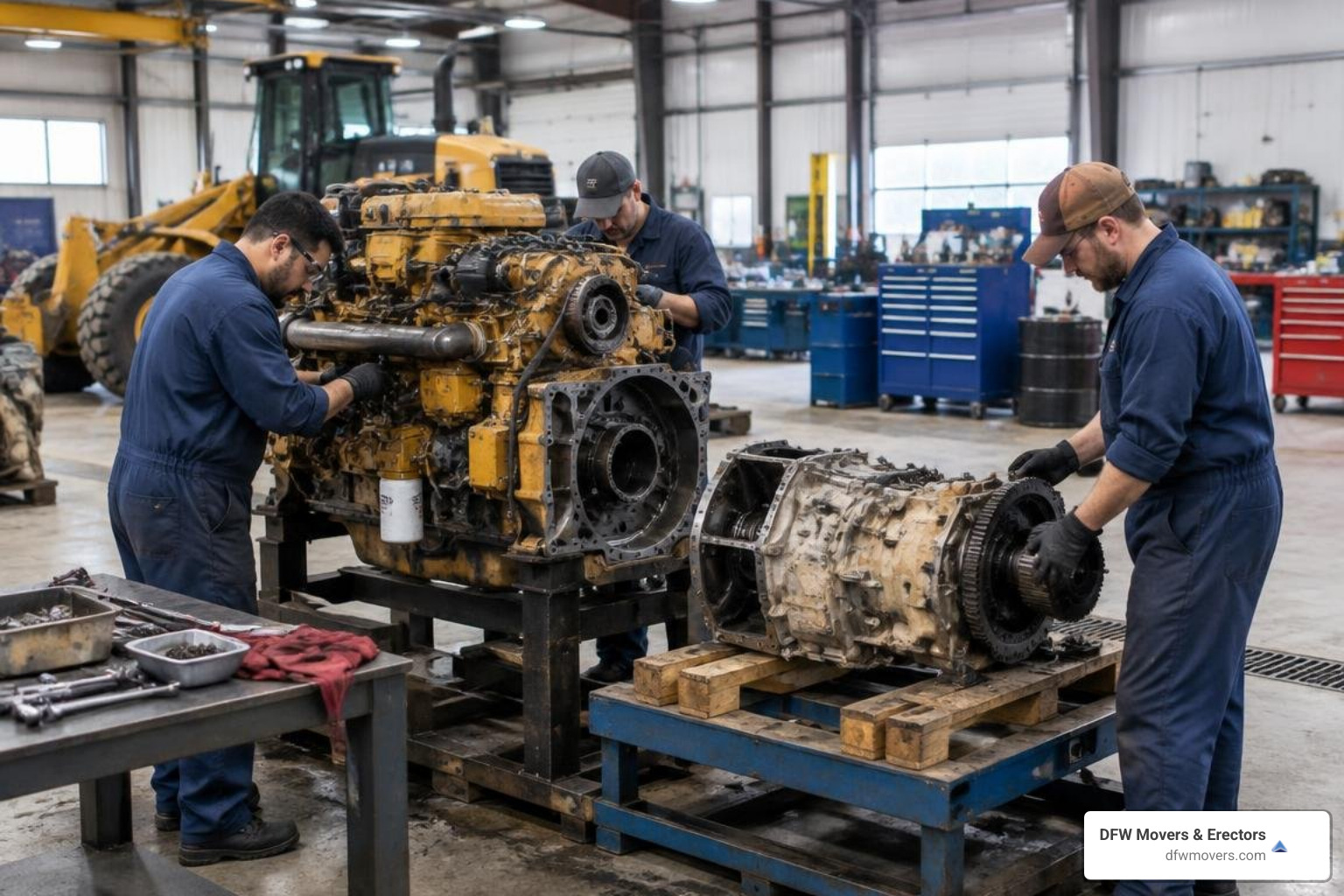
A comprehensive overhaul involves a meticulous multi-step mechanical restoration:
- Engine and Transmission Disassembly: Technicians completely tear down major assemblies, stripping engines to the block and transmissions to the housing.
- Precision Cleaning and Non-Destructive Testing: Disassembled parts undergo hot-tank washing and ultrasonic cleaning, followed by magnetic particle or dye-penetrant testing to locate hidden structural stress fractures.
- Reconditioning or Replacement: Wear items such as crankshaft bearings, pistons, cylinder liners, seal rings, and friction plates are either precision-machined or replaced with genuine OEM parts.
- Hydraulic Cylinder and Valve Rebuilding: Hydraulic rams are inspected for scoring or chroming loss, fitted with fresh high-pressure seal kits, and dynamically bench-tested.
- Structural & Specialized Welding: Heavy structural frames, excavator booms, and chassis members often develop stress cracks over time. Expert structural welding services restore frame integrity. For specialized metal fabrication and field repairs, learn more about external SGA Welding: Heavy Equipment Repair Services in Fort Worth.
- Reassembly and Load Testing: Once reassembled using exact manufacturer torque specifications, components undergo rigorous dynamometer and hydraulic pressure testing before being reinstalled on the machine.
Best Practices to Prevent Downtime and Maintain Safety Standards
Equipment maintenance is directly linked to jobsite safety. A neglected hydraulic hose can rupture under thousands of pounds of pressure, presenting severe burn and high-pressure fluid injection hazards to nearby workers. Similarly, failing steering linkages or worn braking systems on 50-ton haul trucks pose catastrophic risks on busy industrial sites.
To maintain uncompromising jobsite safety while protecting equipment reliability, operators and fleet managers should implement these proven best practices:
- Enforce Strict OSHA Compliance: Ensure every piece of machinery meets federal safety standards, including functional Roll-Over Protective Structures (ROPS), Falling Object Protective Structures (FOPS), reverse alarms, seatbelts, and working emergency shutoffs.
- Implement Formal Lockout/Tagout (LOTO): Prior to performing any heavy equipment maintenance in Fort Worth yards or jobsites, technicians must isolate all energy sources—electrical, hydraulic pressure, mechanical gravity loads—to prevent accidental energization during service.
- Invest in Continuous Operator Training: Equipment operators are your first line of defense. Training operators to avoid riding clutches, harsh hydraulic deadheading, over-revving engines, or ignoring dashboard warning lights significantly lowers maintenance costs.
- Establish Digital Maintenance Records: Track service logs, fluid sample reports, and part replacements digitally. Clear service histories boost resale value and ensure scheduled 250-, 500-, and 1,000-hour service milestones are never missed.
Frequently Asked Questions About Heavy Equipment Maintenance
What are the main duties involved in heavy equipment servicing?
Heavy machinery service encompasses a wide range of technical disciplines. Essential daily and periodic duties include:
- Diagnosing mechanical, hydraulic, and electrical malfunctions using advanced computerized software.
- Reading and interpreting complex OEM schematics and technical service manuals.
- Cleaning, degreasing, and lubricating high-friction joints, pins, and bearings.
- Executing routine fluid flushing and filter replacements across engine, hydraulic, cooling, and transmission systems.
- Performing complete component disassemblies, component overhauls, mechanical alignment, and structural welding repairs.
How often should heavy machinery undergo preventive inspections?
Preventive maintenance follows a layered schedule based on operating engine hours:
- Daily (Pre-Shift): Visual walkaround, checking fluid levels (engine oil, coolant, hydraulic fluid), inspecting tire pressure/track tension, testing safety devices, and greasing grease points.
- 250 Hours: Engine oil change, engine oil filter replacement, and primary fuel filter replacement.
- 500 Hours: Hydraulic filter replacement, air intake filter inspection/replacement, secondary fuel filters, and fluid sampling (oil, hydraulic, transmission).
- 1,000 Hours: Cooling system flush, transmission filter service, gear differential fluid changes, and mechanical valve lash adjustment.
- Annual/2,000 Hours: Full comprehensive structural, safety, electrical, and hydraulic system audit.
What experience and tools are required for heavy equipment repair?
Heavy equipment technicians typically hold 1 to 3+ years of specialized mechanical trade experience or vocational certifications in diesel mechanics and fluid power systems. Required tooling includes specialized factory OEM diagnostic software, digital multimeter instruments, calibrated torque wrenches, hydraulic pressure gauge kits, heavy-duty pneumatic impact tools, precision micrometers, and specialized hoisting equipment for handling multi-ton components.
Conclusion: Streamlining Your Machinery Maintenance Strategy
Managing complex industrial equipment requires precision, technical expertise, and an unwavering commitment to quality. By establishing structured daily inspection protocols, conducting fluid analysis, utilizing OEM diagnostics, and pairing routine field service with full shop overhauls, Fort Worth operations can maximize machine uptime while extending operational lifespan.
At DFW Movers & Erectors, we have spent over four decades serving businesses across Texas with dependable, highly detailed machinery services. Since 1980, our mission has been simple: providing exceptional service, transparent pricing, and absolute peace of mind with no hidden fees. Whether you require machinery rigging, precision laser alignment, complex equipment installation, or full component repair support, our experienced team delivers reliable execution every single time.
Ready to protect your machinery investment and optimize your fleet’s efficiency? Explore our dedicated Machine Repair Services or contact our team directly at our Fort Worth Location today to discuss your industrial service needs!